
In modern logistics and commodity circulation, airplane boxes, as an important form of paper packaging, have become the preferred solution for various product packaging due to their sturdiness, durability, and versatility.

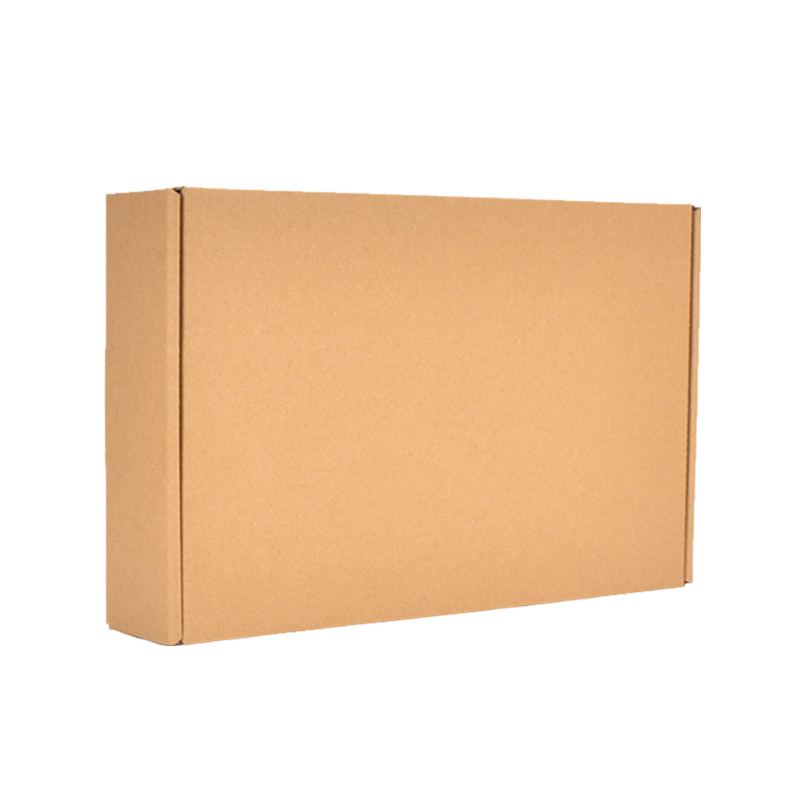
In modern logistics and commodity circulation, airplane boxes, as an important form of paper packaging, have become the preferred solution for various product packaging due to their sturdiness, durability, and versatility.
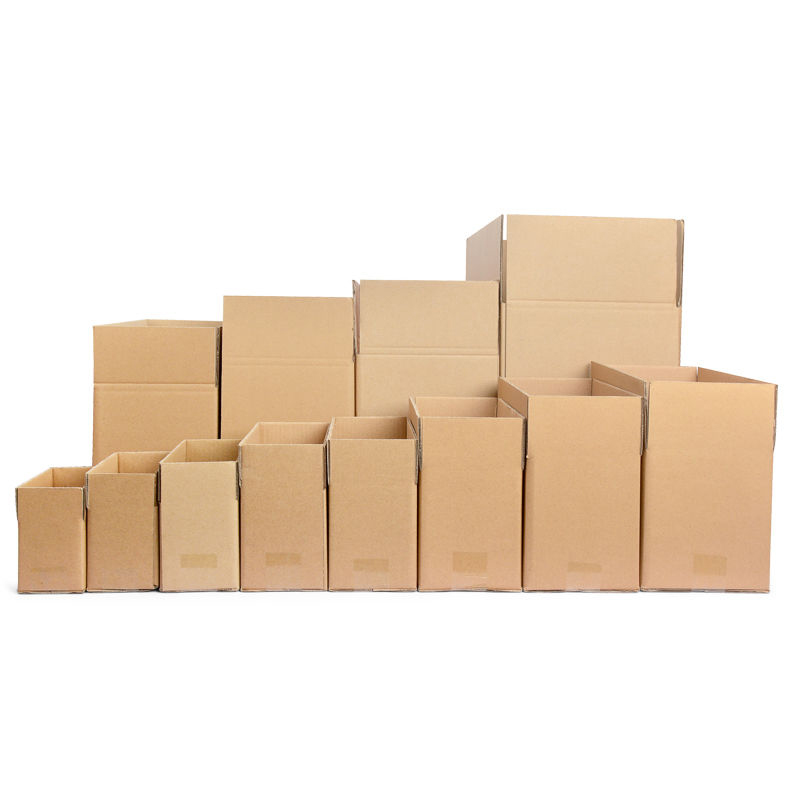
In the vast, rapidly operating network of modern logistics, one figure is ubiquitous yet often overlooked: the seemingly ordinary Carton.
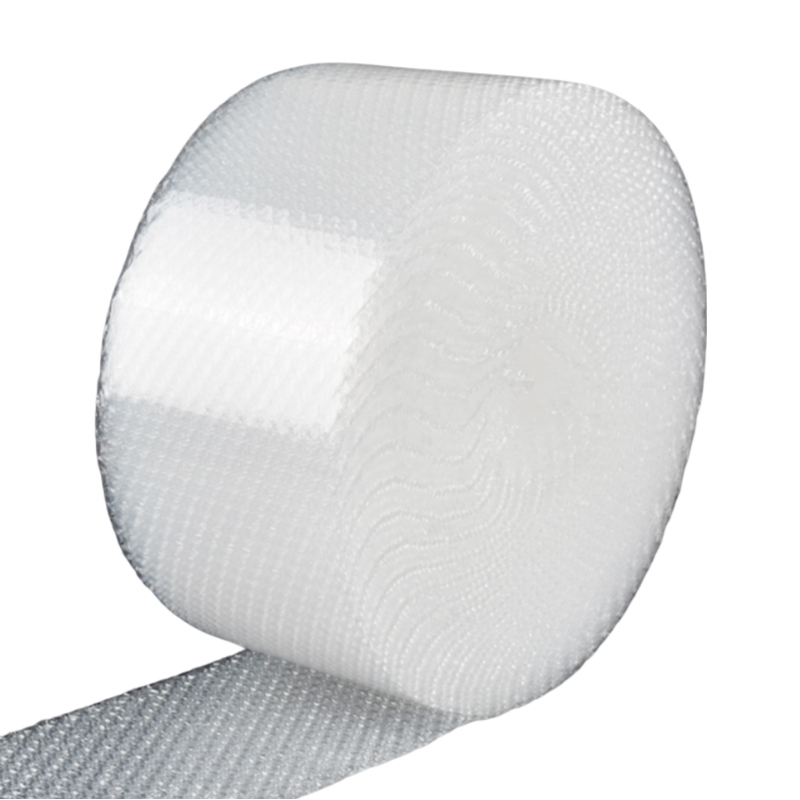
Bubble wrap production typically employs multi-layer co-extrusion technology, where molten resin is pressed into a film using a screw extruder, forming uniform bubbles between the films.
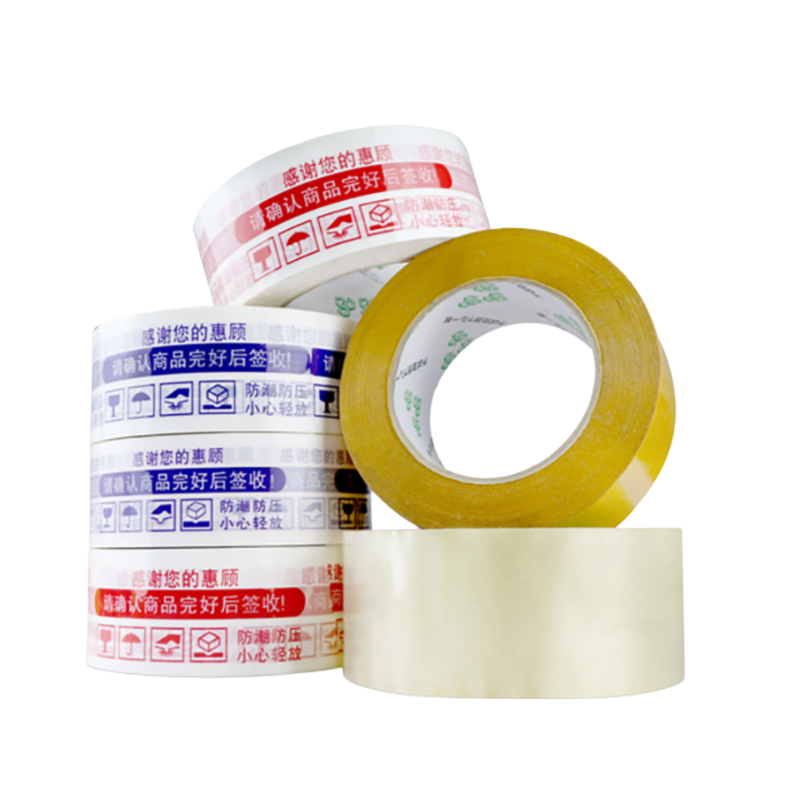
Paper wrapping surfaces typically have a porous structure, low surface energy, and are susceptible to environmental humidity. For such materials, adhesive formulations need to focus on rapid wetting and penetration capabilities.
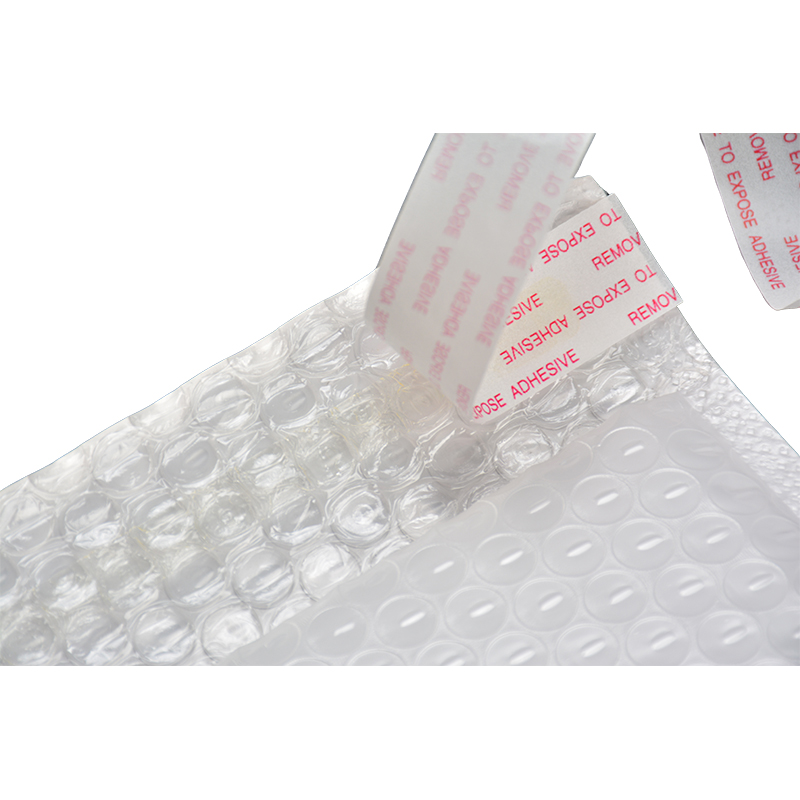
As a product that combines protection and packaging functions, bubble bags need to find a precise balance between aesthetic appeal and practical cushioning in their design.
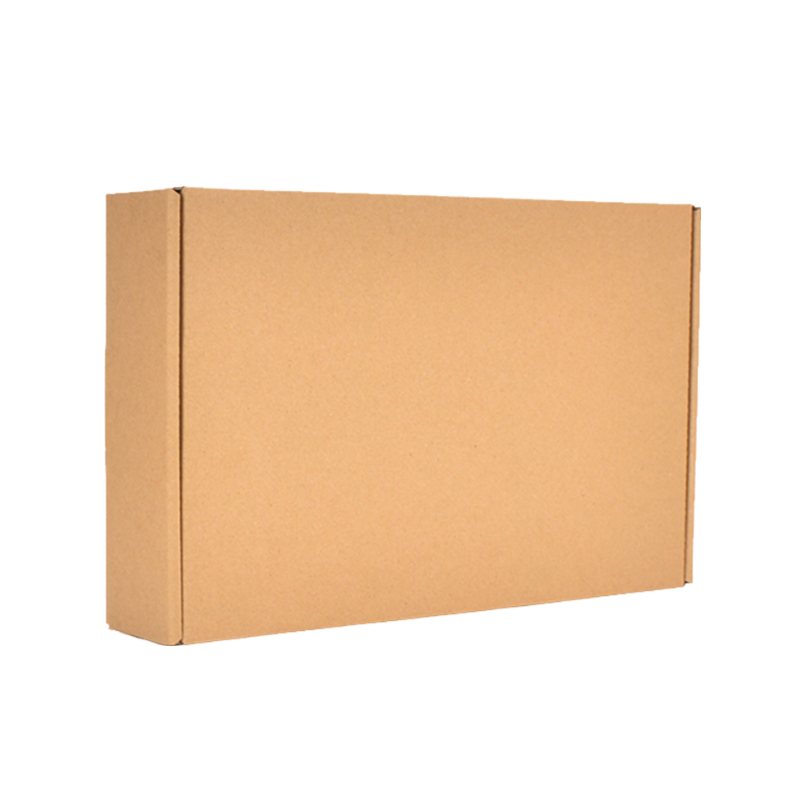
In the grand system of modern logistics and product packaging, a paper container called an airplane box is quietly becoming the preferred choice for many industries due to its unique structural appeal and superior protective performance.